As organisations grow, complexity increases across operations, finance, technology, and compliance. What once worked for a smaller business often becomes insufficient as transaction volumes rise, teams expand, and regulatory expectations become more demanding. This is where internal audits play a critical role.
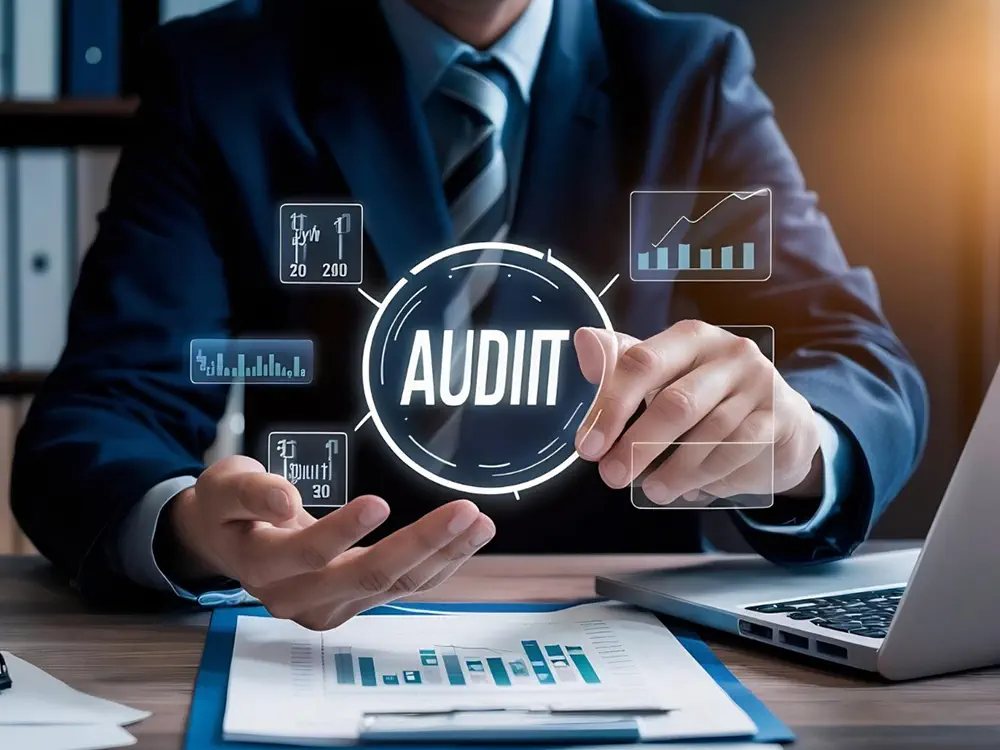
An internal audit function provides independent assurance on the effectiveness of internal controls, risk management processes, and governance frameworks. It evaluates whether policies are being followed, risks are being managed appropriately, and systems are operating as intended. Importantly, internal audits help identify weaknesses before they lead to financial losses, regulatory breaches, or operational disruptions.
For growing businesses in the UAE, internal audits are increasingly viewed as a strategic function rather than a compliance formality. They support management by highlighting inefficiencies, strengthening accountability, and improving decision-making. Internal audits also play a key role in preparing businesses for external audits, regulatory reviews, and investor scrutiny.
By embedding internal audit into the organisation’s governance framework, businesses can build resilience, improve transparency, and support sustainable growth in an environment where regulatory oversight continues to evolve.